A Novel Star-Tracking Algorithm
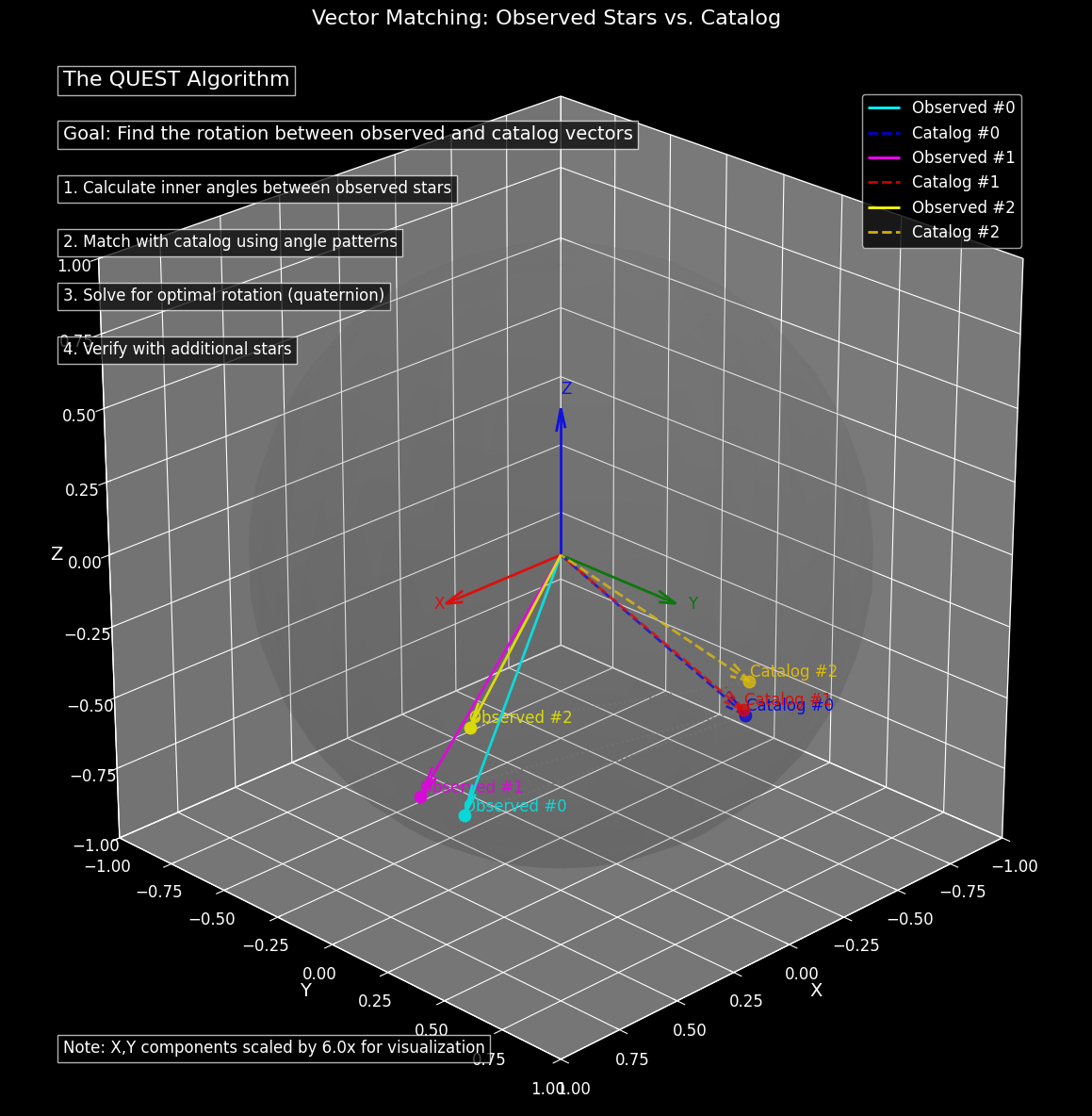
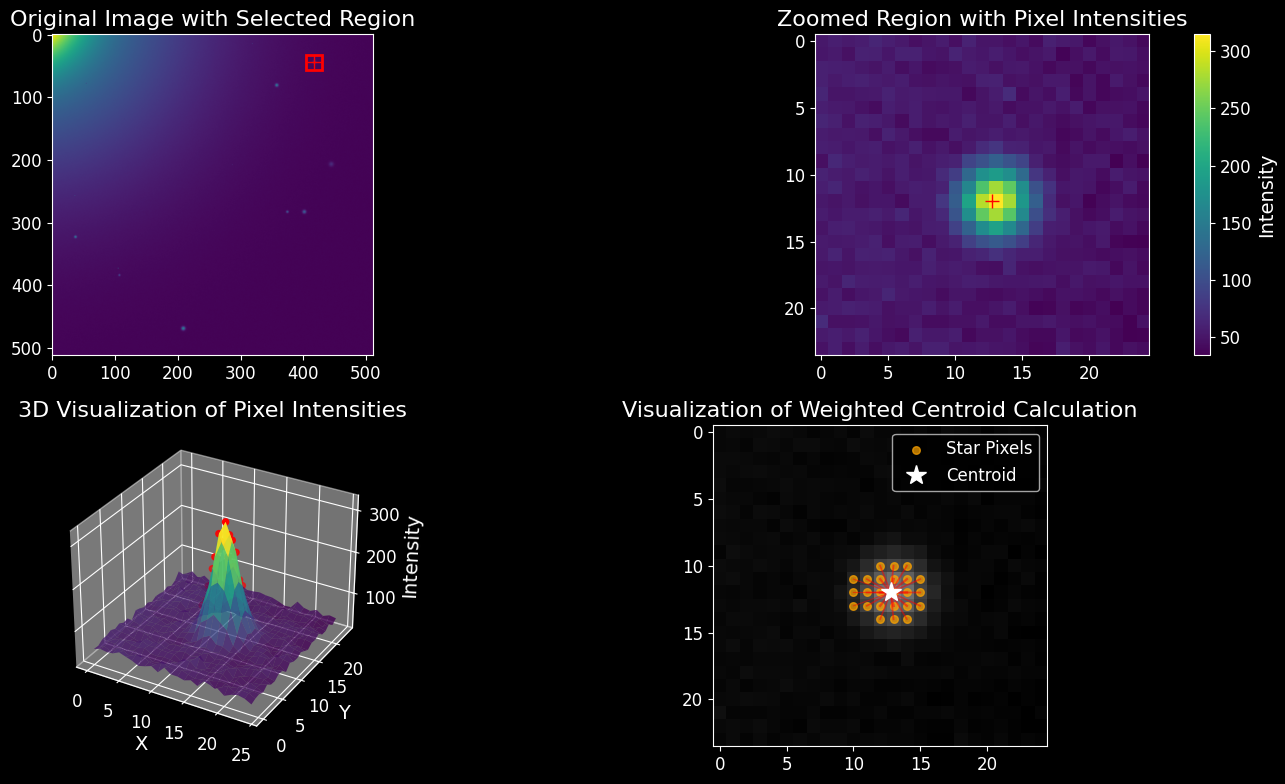
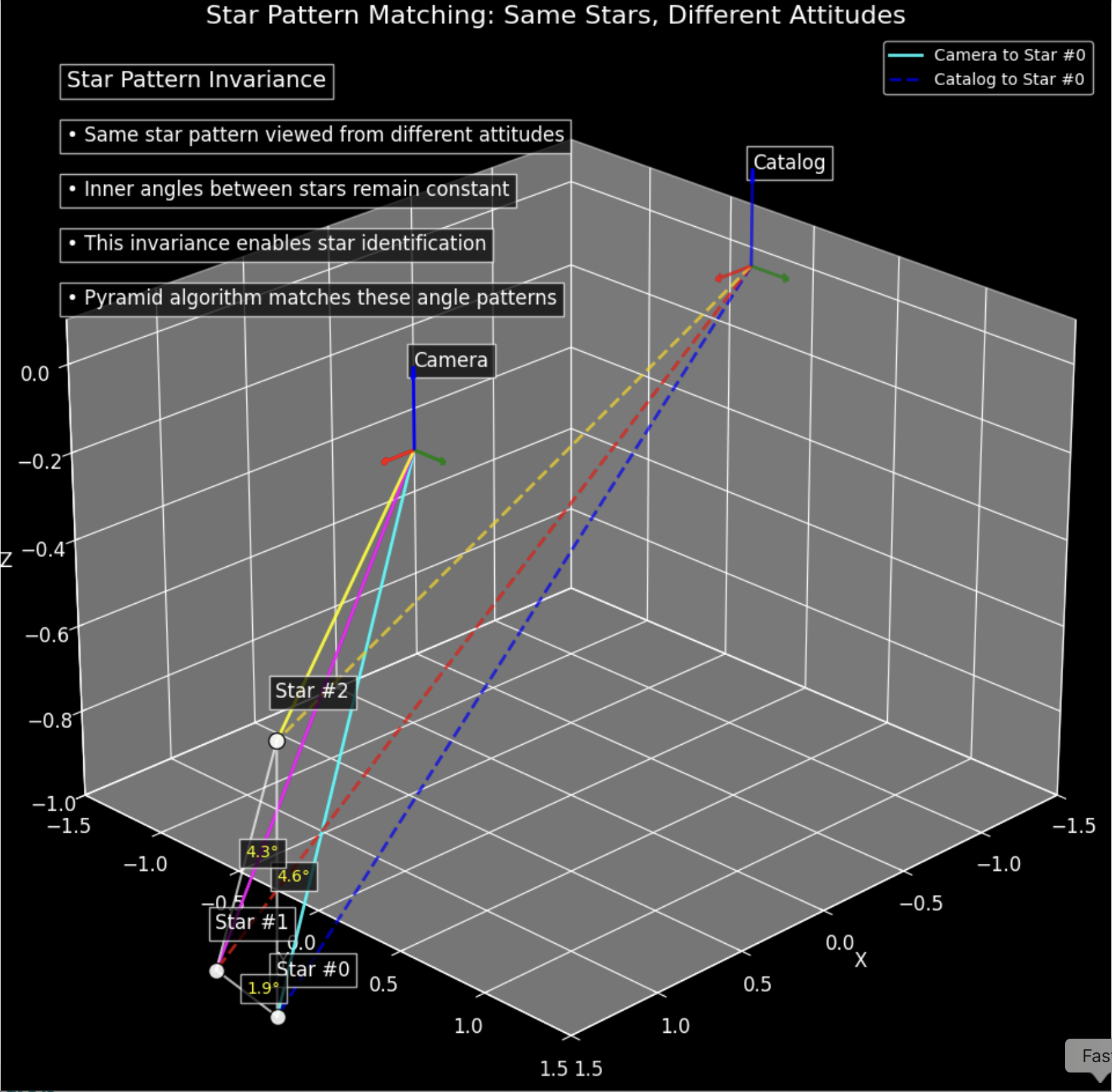
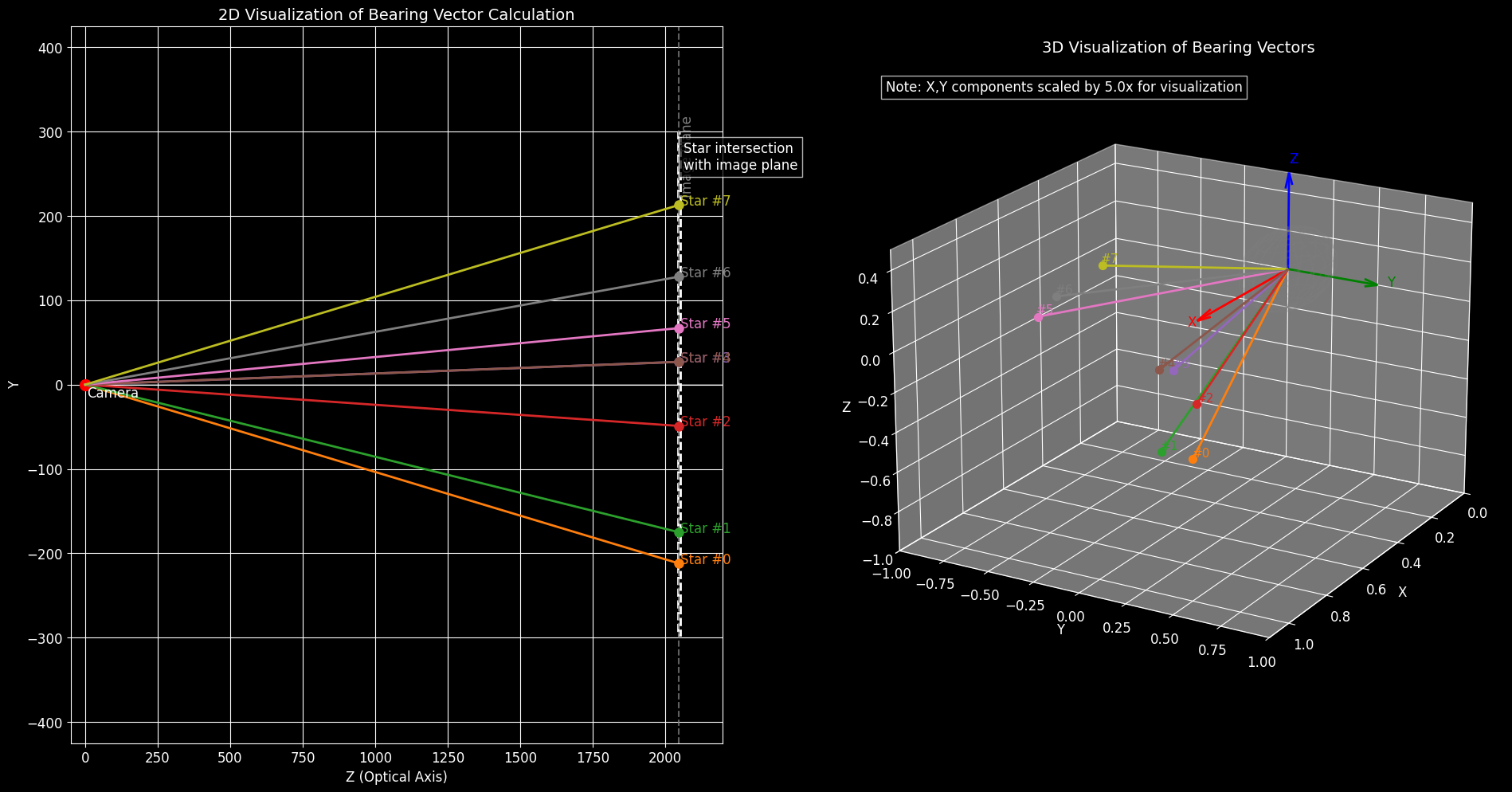
The problem at hand was the developemt a novel field-ready attitude determination algorithm that converts raw night-sky images into precise quaternion outputs for spacecraft orientation. In other words, create a system that can take a picture anywhere in space and determine precisely the orientation of the camera.
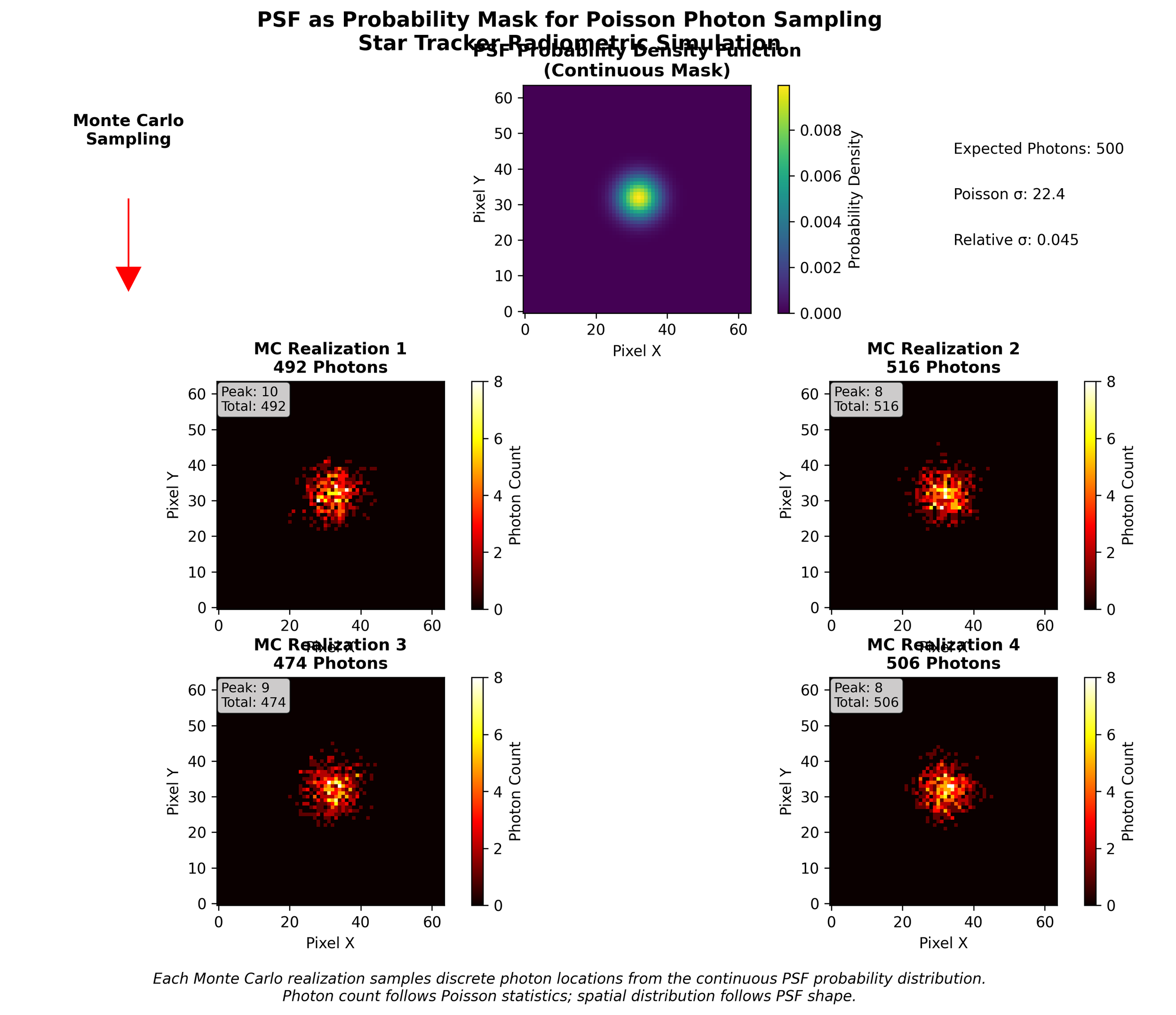
Using an old open-source star tracking codebase as structural reference, I built from the ground up a production-quality system with automated testing, performance tuning, and hardware-in-the-loop validation. In parallel I developed a full radiometric simulation tracing light from a stellar source to the optics of a star-tracking satellite using physically realistic point-source functions produced by Zemax. Ground-truth was established by mimicking the parameters of publicly accessible star-tracker measurements and ensuring that the simulation results matched the empirical measurements with a 99.7% confidence.
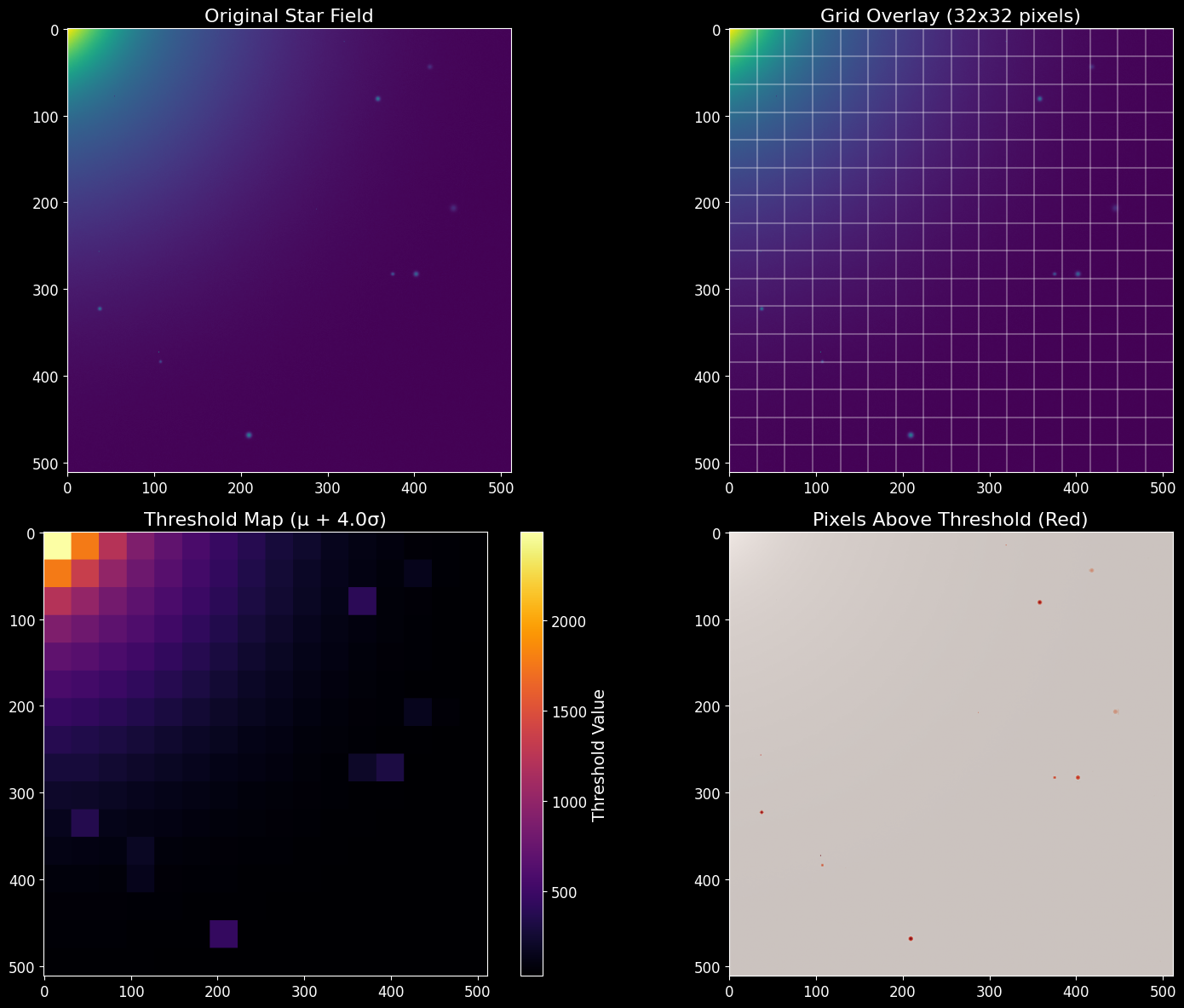
In order to solo-develop such a complex system, I built an AI-assisted development pipeline that broke down the work into small, reviewable merge requests that I could follow. AI was also used to generate unit tests and validate performance while I focused on the core coding of algorithm design, numerical stability, and edge cases. The result is a star tracker that reliably ingests images from a custom sensor stack, matches stars under real conditions, and supports end-to-end validation from simulation to bench tests and is ready for field deployment/testing.
This project gave me the chance to do the thing I love: taking an incomplete idea, structuring it into a concrete integration and validation plan, and driving it to a hardware-ready implementation using modern tooling and rigorous test design.
(Legal Note: All images featured below are recreations. Nothing shown on this page contains any private or NDA-protected information)